
Denture supported by gums and remaining teeth
Fillings, Crowns & Porcelain Veneers
Tooth decay, cracks, wear, damage or cosmetic concerns can affect chewing, oral health and confidence. Our dentist will assess the tooth structure, bite and aesthetic needs, then recommend a suitable treatment to restore strength, function and appearance.
Common dental restorations include fillings, crowns and porcelain veneers.Fillings repair decay or small defects; crowns protect more heavily damaged or weakened teeth; porcelain veneers are mainly used to improve the colour, shape and appearance of front teeth.
Fillings vs Crowns vs Porcelain Veneers
| Items | Dental Fillings | Dental Crown | Porcelain Veneer |
|---|---|---|---|
| Main Use | Repair decay, cavities or small defects | Cover and protect heavily damaged teeth | Improve front-tooth colour, shape, gaps and smile |
| Suitable For | Decay, erosion, small chips, failed fillings | After root canal, cracks, severe decay, implant restoration | Discolouration, gaps, uneven size, minor damage |
| Coverage | Local repair | Covers the full tooth | Covers the front surface |
| Tooth Prep | Less | More | Usually less than a crown |
| Goal | Restore function and stop decay progressing | Protect the tooth and restore bite strength | Improve tooth appearance and smile proportions |
| Common Area | Front or back teeth | Front or back teeth | Mostly front teeth |
Main Use
Dental Fillings
Repair decay, cavities or small defects
Dental Crown
Cover and protect heavily damaged teeth
Porcelain Veneer
Improve front-tooth colour, shape, gaps and smile
Suitable For
Dental Fillings
Decay, erosion, small chips, failed fillings
Dental Crown
After root canal, cracks, severe decay, implant restoration
Porcelain Veneer
Discolouration, gaps, uneven size, minor damage
Coverage
Dental Fillings
Local repair
Dental Crown
Covers the full tooth
Porcelain Veneer
Covers the front surface
Tooth Prep
Dental Fillings
Less
Dental Crown
More
Porcelain Veneer
Usually less than a crown
Goal
Dental Fillings
Restore function and stop decay progressing
Dental Crown
Protect the tooth and restore bite strength
Porcelain Veneer
Improve tooth appearance and smile proportions
Common Area
Dental Fillings
Front or back teeth
Dental Crown
Front or back teeth
Porcelain Veneer
Mostly front teeth
Although fillings, crowns and porcelain veneers are all restorative treatments, they differ in purpose, coverage and suitability. Your dentist will recommend an option based on tooth damage, bite and aesthetic needs.
Suitable Uses for the Three Treatments
A filling repairs a damaged or decayed tooth. The dentist removes affected tooth tissue and rebuilds the area with a suitable filling material, restoring shape and bite while preserving as much natural tooth as possible.
Untreated decay can spread deeper into the tooth. If it reaches the pulp, a filling alone may no longer be enough and root canal treatment may be required. Toothache, visible cavities, sensitivity when eating or darkening of a tooth should be assessed early.
A filling may be recommended for:
Cavities caused by tooth decay
Tooth wear or erosion
Small chips or local tooth damage
Old fillings that are worn, broken or lost
Fillings are generally well tolerated. If decay is deep or the tooth is sensitive, local anesthetic may be used. Regular dental checks and X-rays when needed can help detect hidden decay early and keep treatment simpler.
A dental crown may be recommended when a tooth is heavily damaged, weakened or cannot be supported adequately by a filling alone. The crown covers and protects the remaining tooth while restoring shape, strength and bite function.
The tooth is first prepared to create space for the crown. An impression or 3D intramural scan is then used to make a custom crown. Once ready, the dentist checks its fit, appearance and bite before securing it in place. A fixed crown cannot be removed at home.
Dental crowns are commonly used for:
After root canal treatment
Protect a tooth that may be more fragile
Cracked or structurally damaged teeth
Reduce further breakdown
Severely decayed teeth
When too little tooth remains for a filling alone
Dental implants
A crown is attached to the implant to restore chewing
Cosmetic restoration
Improve a discolored, uneven or damaged tooth
A crown can protect a tooth while restoring both appearance and bite, making it a common functional and cosmetic dental restoration.
Porcelain veneers are thin ceramic restorations used mainly to improve the colour, shape, proportions and overall appearance of front teeth. They are custom-made to suit your teeth, facial proportions and smile, then bonded to the enamel surface.
Compared with crowns, veneers usually require less tooth reduction and are a more conservative cosmetic option. Their colour and translucency can closely resemble natural teeth, and ceramic offers good strength and stability with proper care.
Porcelain veneers may be suitable for:
Small chips or worn teeth
Uneven, short or irregularly shaped teeth
Gaps or teeth of uneven size
Deep discoloration that may not respond well to whitening alone
Veneers are durable but not permanent and may eventually need replacement because of wear, chipping or age. Good oral hygiene, avoiding hard biting with the front teeth and limiting strongly staining foods and drinks can help extend their lifespan.
Suitability depends on tooth structure, bite and aesthetic goals. Your dentist will examine your teeth before recommending porcelain veneers.
Choosing Between Fillings, Crowns & Veneers
Fillings, crowns and porcelain veneers all restore teeth, but they serve different purposes and cover different amounts of tooth structure.
Fillings are best for decay or small defects when enough healthy tooth remains. Crowns protect more heavily damaged or weakened teeth, especially after root canal treatment or severe decay. Veneers focus mainly on improving front-tooth colour, shape, length and gaps.
The right option depends on tooth structure, damage, bite and appearance goals. Your dentist will assess these factors and recommend a suitable restoration.
Types of Dental Crowns
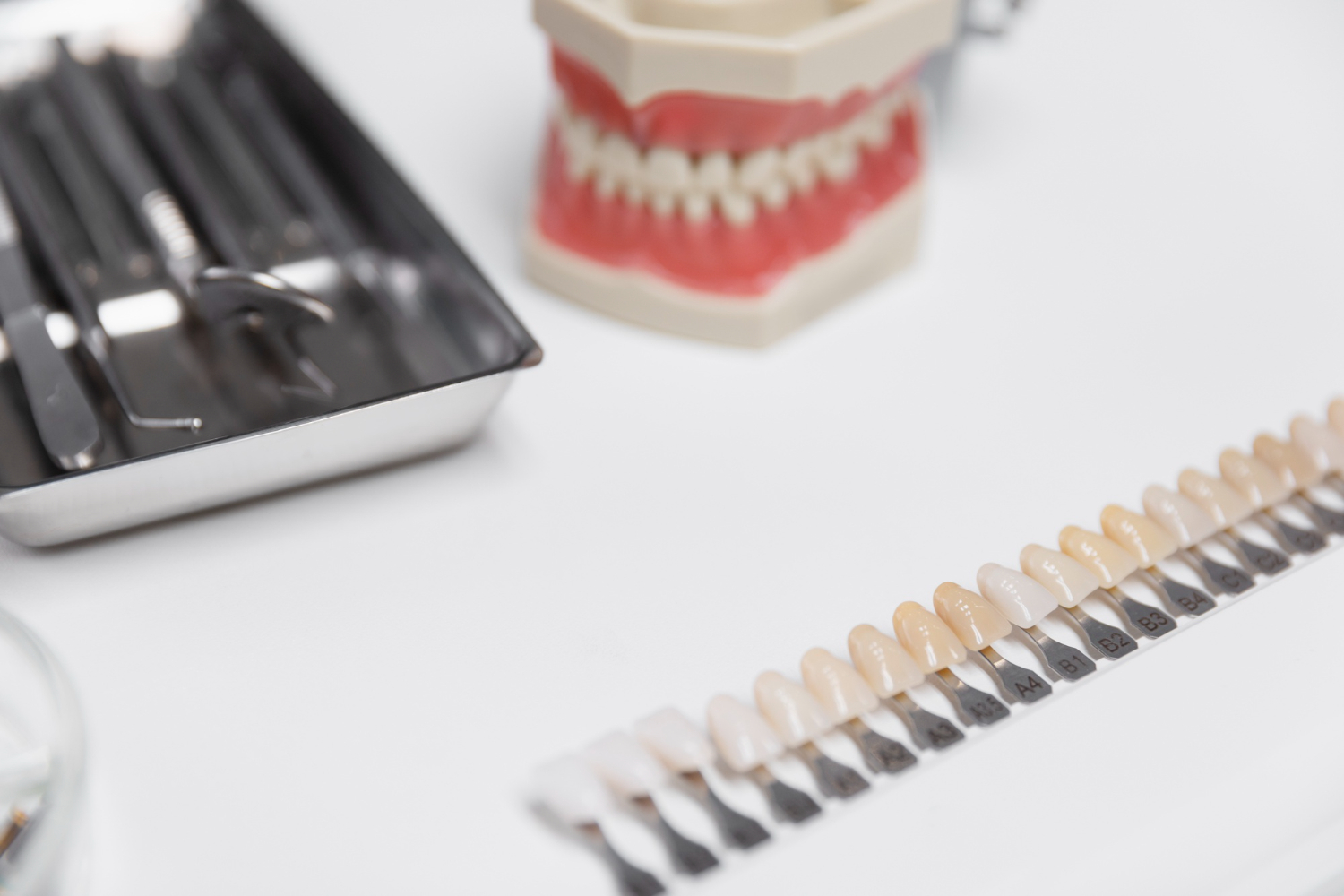
Crowns are available in different materials, each with differences in appearance, durability, translucency and suitable location. Your dentist will recommend a material based on tooth position, bite, remaining structure and aesthetic needs.
| Compare | Metal Crown | Porcelain-Metal Crown | All-Ceramic Crown |
|---|---|---|---|
| Main Feature | Made of metal for high strength | Metal core with a porcelain outer layer | Made entirely of ceramic for a natural, translucent look |
| Benefits | Durable and strong under chewing forces; suitable for heavy bites or grinding | More natural-looking than metal while retaining good strength | Color and translucency resemble natural teeth; ideal for aesthetic areas |
| Notes | Metal colour is visible, so it is less often used for front teeth | The metal core reduces translucency and may create a darker gum line in some cases | Usually costs more; strength depends on the ceramic type and bite |
| Best For | Back teeth | Front or back teeth | Front teeth and selected back teeth |
Main Feature
Metal Crown
Made of metal for high strength
Porcelain-Metal Crown
Metal core with a porcelain outer layer
All-Ceramic Crown
Made entirely of ceramic for a natural, translucent look
Benefits
Metal Crown
Durable and strong under chewing forces; suitable for heavy bites or grinding
Porcelain-Metal Crown
More natural-looking than metal while retaining good strength
All-Ceramic Crown
Color and translucency resemble natural teeth; ideal for aesthetic areas
Notes
Metal Crown
Metal colour is visible, so it is less often used for front teeth
Porcelain-Metal Crown
The metal core reduces translucency and may create a darker gum line in some cases
All-Ceramic Crown
Usually costs more; strength depends on the ceramic type and bite
Best For
Metal Crown
Back teeth
Porcelain-Metal Crown
Front or back teeth
All-Ceramic Crown
Front teeth and selected back teeth
Crown selection is not based on appearance alone. Tooth position, bite force, grinding habits and remaining tooth structure also matter. A dental assessment helps determine the most suitable type.
Daily Care After Getting a Crown
Care for a crown much like a natural tooth. Brush twice daily and use floss or interdental cleaners around the crown and neighboring teeth to reduce the risk of decay and gum disease.
Avoid regularly biting very hard objects or foods that may chip, damage or loosen the crown. If you grind your teeth, ask your dentist whether a night guard is suitable. With good care and regular reviews, a crown can often last for many years.
Dental Restoration FAQs
Learn more about Dental Restoration and common concerns.
Can a filled teeth decay again?
Yes. New decay can develop if plaque builds up around the filling margins. Good oral hygiene and regular dental checks remain important after treatment.
How long does a dental crown last?
Crown lifespan varies with the material, oral care, bite and overall dental health. With good cleaning and regular checks, a crown can often last many years.
Do I always need a root canal before a crown?
No. A crown protects or restores a damaged tooth. Root canal treatment is only needed when the pulp or nerve is infected or significantly affected.
Do porcelain veneers fall off easily?
Properly made and bonded veneers are generally stable. However, biting hard objects, tooth grinding or excessive pressure on the front teeth can increase the risk of damage or loosening.
Can porcelain veneers cause sensitivity?
Some people experience temporary sensitivity after treatment. Your dentist will assess enamel thickness and existing sensitivity before deciding whether veneers are suitable.