
Dentures
Dentures | Dental Bridges & Removable Dentures
Dentures replace teeth lost due to decay, gum disease, injury or other causes, helping restore chewing, speech and smile appearance while maintaining tooth alignment and oral health.
What Are Dentures?
Dentures are a common way to replace teeth lost through decay, gum disease, injury or other causes. They help restore chewing, speech and smile appearance while supporting tooth alignment and oral function.
Leaving missing teeth untreated can affect eating and appearance. Nearby teeth may tilt or shift, changing the bite and making cleaning harder. An early dental assessment can help identify a suitable tooth replacement option.
Common options include fixed dentures, usually dental bridges, and removable dentures. Your dentist will recommend an option based on the number and location of missing teeth, remaining teeth, oral health and personal needs.
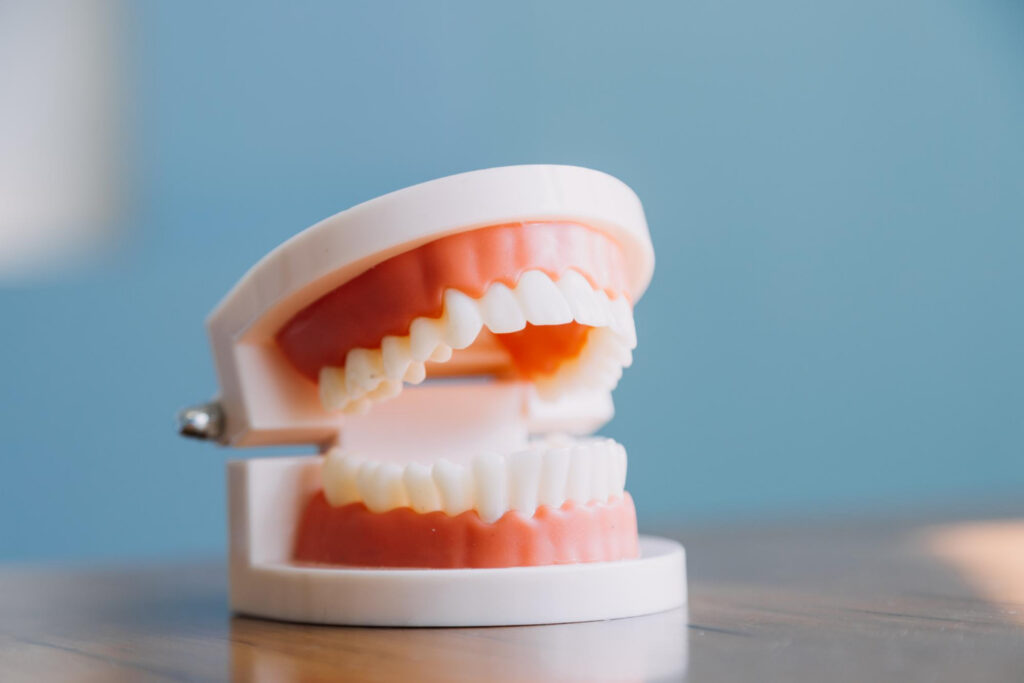
Types of Dentures
The two common options are fixed dentures (dental bridges) and removable dentures. Each has different indications and benefits, so the choice depends on your missing teeth and treatment needs.
A dental bridge is a fixed restoration used mainly to replace one or several neighboring missing teeth. The teeth beside the gap are prepared to support crowns connected to a replacement tooth, creating a fixed bridge that restores the dental arch and chewing function.
Because a bridge is fixed in the mouth and cannot be removed at home, it generally feels stable when chewing and can look similar to natural teeth. It is a common option for replacing a single tooth or a small number of teeth.
A dental bridge may be considered if you:
Are missing many teeth or all teeth in an arch
Have healthy, stable teeth on both sides of the gap
Prefer a fixed tooth replacement
Want to restore chewing and appearance
Suitability depends on the health of the supporting teeth and gums and is confirmed through dental examination and X-rays.
Benefits of Dental Bridges
Natural Appearance
A bridge is custom-made to match the color, size and shape of nearby teeth for a more natural-looking smile.
Fixed in the Mouth
A bridge stays attached to the teeth, so it does not need to be inserted and removed each day and can be used much like natural teeth.
Relatively Short Treatment Time
If the mouth is suitable, a bridge can often be completed over a few visits without waiting for an implant to integrate with the bone.
A dental bridge is a fixed restoration used mainly to replace one or several neighboring missing teeth. The teeth beside the gap are prepared to support crowns connected to a replacement tooth, creating a fixed bridge that restores the dental arch and chewing function.
Because a bridge is fixed in the mouth and cannot be removed at home, it generally feels stable when chewing and can look similar to natural teeth. It is a common option for replacing a single tooth or a small number of teeth.
A dental bridge may be considered if you:
Are missing many teeth or all teeth in an arch
Do not have enough suitable natural teeth to support a bridge
Are not suitable for a fixed restoration
Suitability depends on the health of the supporting teeth and gums and is confirmed through dental examination and X-rays.
Benefits of Removable Dentures
Easy to Remove & Clean
Removable dentures can be taken out each day for cleaning, helping maintain denture and oral hygiene and allowing the dentist to monitor the gums and remaining teeth.
Custom-Made for Your Mouth
The denture is designed around the number of missing teeth, gum shape and bite to improve fit, comfort and stability.
Fixed vs Removable Dentures
| Compare | Fixed Denture (Dental Bridge) | Removable Dentures |
|---|---|---|
| Suitable For | One or a few missing teeth with suitable supporting teeth | Multiple missing teeth or a full arch |
| How It Stays in Place | Fixed in the mouth; not removable at home | Can be inserted and removed |
| Stability | Generally stable and closer to natural teeth when chewing | Requires an adjustment period; stability varies by design |
| Cleaning | Clean with floss and interdental tools | Remove daily for cleaning and soaking |
| Appearance | Generally natural-looking | Depends on the design and pattern of tooth loss |
| Suitable For | People who prefer a fixed tooth replacement | Multiple missing teeth or when fixed treatment is unsuitable |
Suitable For
Fixed Denture
(Dental Bridge)
One or a few missing teeth with suitable supporting teeth
Removable Dentures
Multiple missing teeth or a full arch
How It Stays in Place
Fixed Denture
(Dental Bridge)
Fixed in the mouth; not removable at home
Removable Dentures
Can be inserted and removed
Stability
Fixed Denture
(Dental Bridge)
Generally stable and closer to natural teeth when chewing
Removable Dentures
Requires an adjustment period; stability varies by design
Cleaning
Fixed Denture
(Dental Bridge)
Clean with floss and interdental tools
Removable Dentures
Remove daily for cleaning and soaking
Appearance
Fixed Denture
(Dental Bridge)
Generally natural-looking
Removable Dentures
Depends on the design and pattern of tooth loss
Suitable For
Fixed Denture
(Dental Bridge)
People who prefer a fixed tooth replacement
Removable Dentures
Multiple missing teeth or when fixed treatment is unsuitable
Denture Treatment Process
Whether you choose a bridge or removable denture, treatment begins with a detailed dental assessment followed by a plan based on the pattern of missing teeth.
Dental Exam & Assessment
The dentist checks your teeth, gums and bite and may take X-rays to assess the missing areas and whether the remaining teeth can support a restoration.
Plan the Restoration
The dentist explains suitable replacement options, such as a bridge or removable denture, and develops a treatment plan around your needs.
Tooth Preparation & Impressions
For a bridge, the supporting teeth are prepared. For a removable denture, impressions or a 3D scan are taken to create a custom appliance.
Try-In & Adjustment
Once ready, the restoration is tried in and checked for fit, bite and appearance. Adjustments are made where needed.
Final Fit & Follow-Up
After fitting, the dentist explains cleaning and care and arranges follow-up to review comfort and oral health.
Denture FAQs
Learn more about Denture and common concerns.
How long do dentures last?
Lifespan varies with the type, material, daily care and changes in the mouth. With good hygiene and regular dental checks, dentures can often be used for many years, although adjustment or replacement may eventually be needed.
Should removable dentures be taken out every day?
Yes. Removable dentures should generally be taken out daily for cleaning and, as advised by your dentist, removed at night so the gums can rest.
Do teeth need to be filed down for a bridge?
Usually, yes. A conventional bridge uses the natural teeth beside the gap for support, so these teeth normally need to be prepared before the bridge is made.
Do removable dentures become loose easily?
An adjustment period is normal. If a denture becomes loose, rubs the gums or feels uncomfortable, return to your dentist for assessment and adjustment.
Do all missing teeth need to be replaced with dentures?
Long-term tooth loss can affect chewing, speech and tooth position, and nearby teeth may shift. A dental assessment can determine whether and how the missing teeth should be restored.