Invisalign
Invisalign Clear Aligners | Discreet Teeth Straightening
Straight teeth can improve both smile appearance and oral health. Crowding, gaps and bite problems may make cleaning harder, allowing more plaque to build up and increasing the risk of decay and gum disease.
Invisalign uses a series of custom clear aligners to gradually move teeth into a planned position. Unlike fixed braces, the aligners are discreet and removable for eating and brushing, making them popular with adults and working professionals.
Before treatment, the dentist will examine your teeth and bite, then plan a suitable orthodontic approach based on your needs and treatment goals.
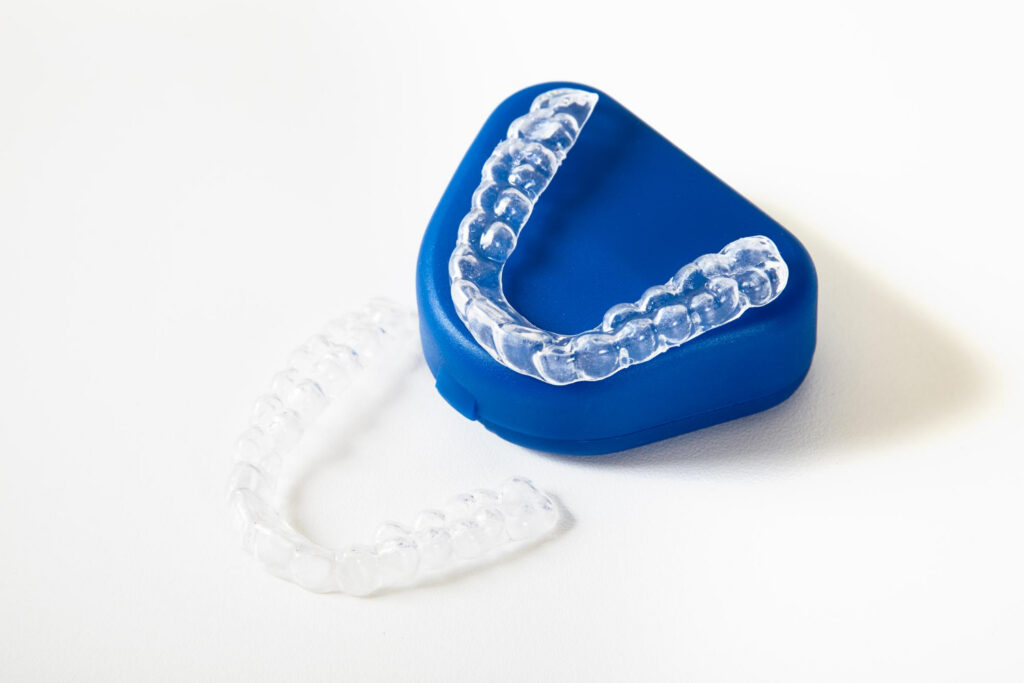
What Is Invisalign?
Invisalign is a clear aligner system that uses a series of custom trays to move teeth gradually into planned positions and improve alignment and bite. Each aligner is made for a specific stage and worn in sequence.
Treatment usually includes a 3D intramural scan and digital planning. The dentist can assess tooth position, plan movement and create a personalized treatment plan. The number of aligners and total treatment time depend on case complexity.
What Can Invisalign Treat?
Invisalign can help improve a range of alignment and bite concerns, including:

Crowded teeth

Gaps between teeth

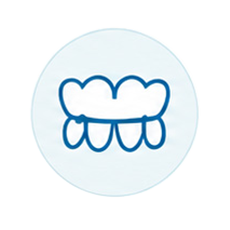
Protruding teeth

Overjet

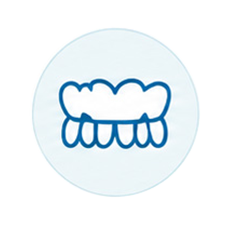
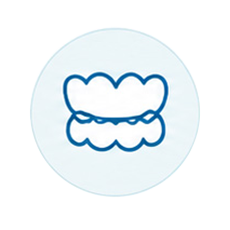
Deep bite

Open bite

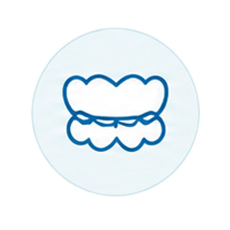
Cross bite

Uneven front teeth

Mild to moderate bite problems
Suitability depends on tooth alignment, bite, oral health and treatment goals. For more complex cases, other orthodontic approaches may be recommended or combined with Invisalign.
Benefits of Invisalign
Nearly Invisible
The clear aligners are discreet when worn, making them a popular option for people who regularly meet clients, take photos or speak in public.
Removable for Daily Convenience
Aligners can be removed for meals, colored drinks, brushing and flossing. This means fewer food restrictions and easier daily oral hygiene than fixed braces.
Comfortable to Wear
Invisalign aligners are made from smooth material without metal brackets or wires, which can reduce rubbing against the inside of the mouth.
Personalized Digital Treatment Plan
A 3D intramural scan creates a digital model of your teeth. The dentist can assess alignment and bite, plan tooth movement and show the expected progression of treatment.
Nearly Invisible
The clear aligners are discreet when worn, making them a popular option for people who regularly meet clients, take photos or speak in public.
Removable for Daily Convenience
Aligners can be removed for meals, colored drinks, brushing and flossing. This means fewer food restrictions and easier daily oral hygiene than fixed braces.
Comfortable to Wear
Invisalign aligners are made from smooth material without metal brackets or wires, which can reduce rubbing against the inside of the mouth.
Personalized Digital Treatment Plan
A 3D intramural scan creates a digital model of your teeth. The dentist can assess alignment and bite, plan tooth movement and show the expected progression of treatment.
Who Is Invisalign Suitable For?
Invisalign may suit people who want straighter teeth with a discreet and convenient treatment option, including those who:

Prefer a less noticeable orthodontic treatment

Value easy brushing, flossing and oral hygiene

Frequently meet clients, take photos or speak in public
A full dental and bite assessment is still required to confirm whether Invisalign is suitable for you.
Invisalign vs Traditional Braces
| Compare | Invisalign | Traditional Braces |
|---|---|---|
| Appearance | Nearly clear and discreet | Metal brackets are more visible |
| Removable? | Yes, for eating and cleaning | No, fixed to the teeth |
| Food Restrictions | Less | Avoid very hard or sticky foods |
| Oral Hygiene | Brush and floss normally after removal | Requires more careful cleaning |
| Comfort | Generally comfortable | May rub the mouth at first |
| Review Visits | Usually every 6-8 weeks | Usually every 4-6 weeks |
Appearance
Invisalign
Nearly clear and discreet
Traditional Braces
Metal brackets are more visible
Removable?
Invisalign
Yes, for eating and cleaning
Traditional Braces
No, fixed to the teeth
Food Restrictions
Invisalign
Less
Traditional Braces
Avoid very hard or sticky foods
Oral Hygiene
Invisalign
Brush and floss normally after removal
Traditional Braces
Requires more careful cleaning
Comfort
Invisalign
Generally comfortable
Traditional Braces
May rub the mouth at first
Review Visits
Invisalign
Usually every 6-8 weeks
Traditional Braces
Usually every 4-6 weeks
Invisalign Treatment Process
Dental & Bite Assessment
The dentist checks tooth alignment, bite and oral health to assess whether Invisalign is suitable.
3D Intramural Scan
A 3D digital scan creates a model of your teeth for alignment analysis and treatment planning.
Personalized Treatment Plan
The dentist plans the required tooth movements and arranges a series of custom clear aligners.
Start Wearing Invisalign
Once the aligners are ready, the dentist explains how to wear and care for them before you begin with the first set.
Reviews & Aligner Changes
A new aligner is generally worn every 1-2 weeks, with regular dental reviews to monitor tooth movement and progress.
Retainers After Treatment
After alignment is complete, retainers are generally recommended to help maintain the new tooth positions.
Invisalign FAQs
Learn more about Invisalign and common concerns.
How many hours a day should I wear Invisalign?
Around 20-22 hours a day is usually recommended, removing the aligners only for eating, colored drinks and cleaning.
How long does Invisalign treatment take?
Treatment time varies with alignment and bite. It may range from several months to around two years, depending on the case.
Does Invisalign hurt?
After changing to a new aligner, you may feel temporary pressure or mild soreness. This is common and usually settles within a few days.
Can I drink coffee or tea with Invisalign?
Remove the aligners before coffee, tea, soft drinks or other colored beverages to reduce staining.
Do I need retainers after Invisalign?
Usually, yes. Retainers help maintain the corrected tooth positions and reduce the chance of teeth shifting back.