
Traditional Braces
Traditional Braces | Improve Tooth Alignment & Bite
Using metal brackets and orthodontic wires, continuous gentle pressure gradually moves the teeth into their ideal positions, creating a smooth, well-aligned dental arch.
Before treatment, the dentist will examine your teeth and bite, then plan a suitable orthodontic approach based on your needs and treatment goals.
What Are Traditional Braces?
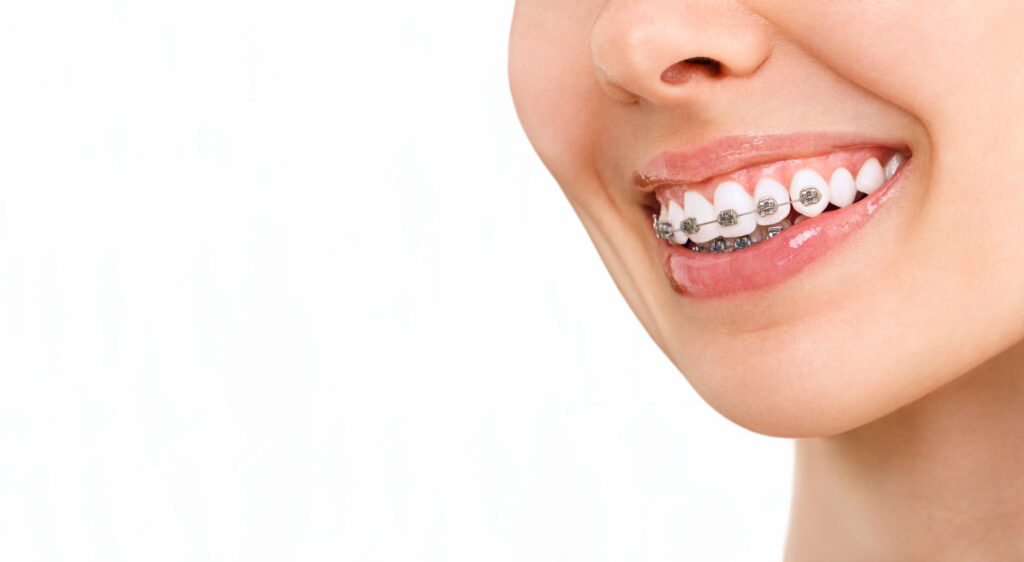
Traditional braces are a fixed orthodontic treatment. Brackets are attached to the teeth and connected with orthodontic wires and other components that apply controlled force, gradually moving teeth into planned positions to improve alignment and bite.
Crooked teeth can affect appearance and make cleaning more difficult, increasing plaque build-up and the risk of decay and gum disease. Bite problems may also contribute to chewing difficulty, tooth wear, speech concerns or jaw-joint discomfort. Braces allow the dentist to plan gradual tooth movement based on your alignment and bite.
Unlike removable clear aligners such as Invisalign, traditional braces stay fixed to the teeth and apply continuous force without relying on daily wear-time compliance. They may therefore be suitable for a wider range of complex alignment and bite problems.
Who Is Suitable for Traditional Braces?
Traditional braces can be considered by teenagers and adults who want to improve tooth alignment, bite and oral health, provided the teeth and gums are healthy enough for orthodontic treatment.
They may be suitable for people who:

Want to improve tooth alignment and smile appearance

Have more complex alignment requiring greater tooth movement

Have bite problems affecting chewing or dental function

Want easier cleaning and a lower risk of decay or gum disease after alignment
Suitability is confirmed through a dental examination, X-rays and, where needed, dental models or digital scans to assess alignment, bite and oral health.
Benefits of Traditional Braces
Suitable for More Complex Orthodontic Cases
Because fixed braces apply continuous controlled force, they can be suitable for more complex alignment, more noticeable bite problems and cases requiring larger tooth movements.
No Daily Wear-Time Management
Unlike removable aligners, fixed braces stay on the teeth, so treatment does not depend on remembering to wear them for enough hours each day. Progress is managed through scheduled reviews and adjustments.
Continuous Force for Controlled Tooth Movement
Brackets and wires apply ongoing force, while the dentist adjusts the appliance throughout treatment to guide the teeth gradually and predictably.
Flexible Orthodontic Treatment Options
Traditional braces can be combined with different wires, elastics and other orthodontic components to address individual alignment and bite needs as treatment progresses.
Traditional Braces vs Invisalign
Both traditional braces and Invisalign are orthodontic treatments designed to improve alignment and bite. They differ in appearance, how they are worn and which cases they may suit. Your dentist will recommend an option based on your teeth, bite, lifestyle and treatment goals.
| Compare | Traditional Braces | Invisalign |
|---|---|---|
| How It Works | Brackets and wires apply continuous force | A series of clear aligners gradually moves teeth |
| Appearance | Metal brackets are more visible | Clear and more discreet |
| Wearing Method | Fixed to the teeth; not removable | Removable for eating and brushing |
| Oral Hygiene | Brush and floss normally after removal | Requires more careful cleaning |
| Food Restrictions | Avoid very hard or sticky foods | Fewer restrictions because aligners are removed for meals |
| Suitable For | Often suitable for complex alignment and bite problems | Many mild to moderate and selected complex cases, subject to assessment |
| Wear Requirement | No daily wear-time management | Usually 20-22 hours per day |
How It Works
Traditional Braces
Brackets and wires apply continuous force
Invisalign
A series of clear aligners gradually moves teeth
Appearance
Traditional Braces
Metal brackets are more visible
Invisalign
Clear and more discreet
Wearing Method
Traditional Braces
Fixed to the teeth; not removable
Invisalign
Removable for eating and brushing
Oral Hygiene
Traditional Braces
Brush and floss normally after removal
Invisalign
Requires more careful cleaning
Food Restrictions
Traditional Braces
Avoid very hard or sticky foods
Invisalign
Fewer restrictions because aligners are removed for meals
Suitable For
Traditional Braces
Often suitable for complex alignment and bite problems
Invisalign
Many mild to moderate and selected complex cases, subject to assessment
Wear Requirement
Traditional Braces
No daily wear-time management
Invisalign
Usually 20-22 hours per day
Traditional Braces Treatment Process
Before braces are fitted, the dentist assesses your tooth alignment and bite and creates a personalized orthodontic plan. Regular reviews are then used to adjust tooth position throughout treatment.
Dental & Bite Assessment
The dentist checks your teeth, gums and bite to assess alignment, oral health and suitability for orthodontic treatment.
X-Rays & Dental Records
Full-mouth X-rays, dental photographs and either models or a 3D intramural scan may be taken to assess tooth position, roots and the relationship between the upper and lower jaws.
Personalized Treatment Plan
The dentist reviews the findings, plans tooth movement and explains the expected treatment time, steps and key care points.
Fit Brackets & Wires
Brackets are bonded to the teeth and connected with orthodontic wire, which applies controlled force to move teeth gradually into position.
Regular Reviews & Adjustments
Braces are generally reviewed and adjusted every 4-8 weeks. Tooth movement is monitored and wires or elastics are changed as needed.
Retainers After Treatment
After alignment is complete, retainers are usually recommended to help maintain the new tooth positions.
Traditional Braces FAQs
Learn more about Traditional Braces and common concerns.
Do braces hurt?
After braces are fitted or adjusted, you may feel mild soreness or pressure for a few days while the teeth adapt.
How long do traditional braces take?
Treatment time depends on tooth alignment, bite and goals. It commonly takes around 1.5-3 years, but your dentist will provide a more specific estimate after assessment.
Do I always need teeth removed for braces?
No. Extraction is not required for every braces case. The dentist will assess crowding, available jaw space and the overall bite before deciding.
Do I need retainers after braces?
Usually, yes. Teeth can gradually shift after orthodontic treatment, so retainers are commonly recommended to help maintain the result.
Can braces change my face shape?
Improved tooth alignment and bite may create natural changes in the smile and facial proportions. The degree of change depends on the original alignment, bite and treatment plan.