
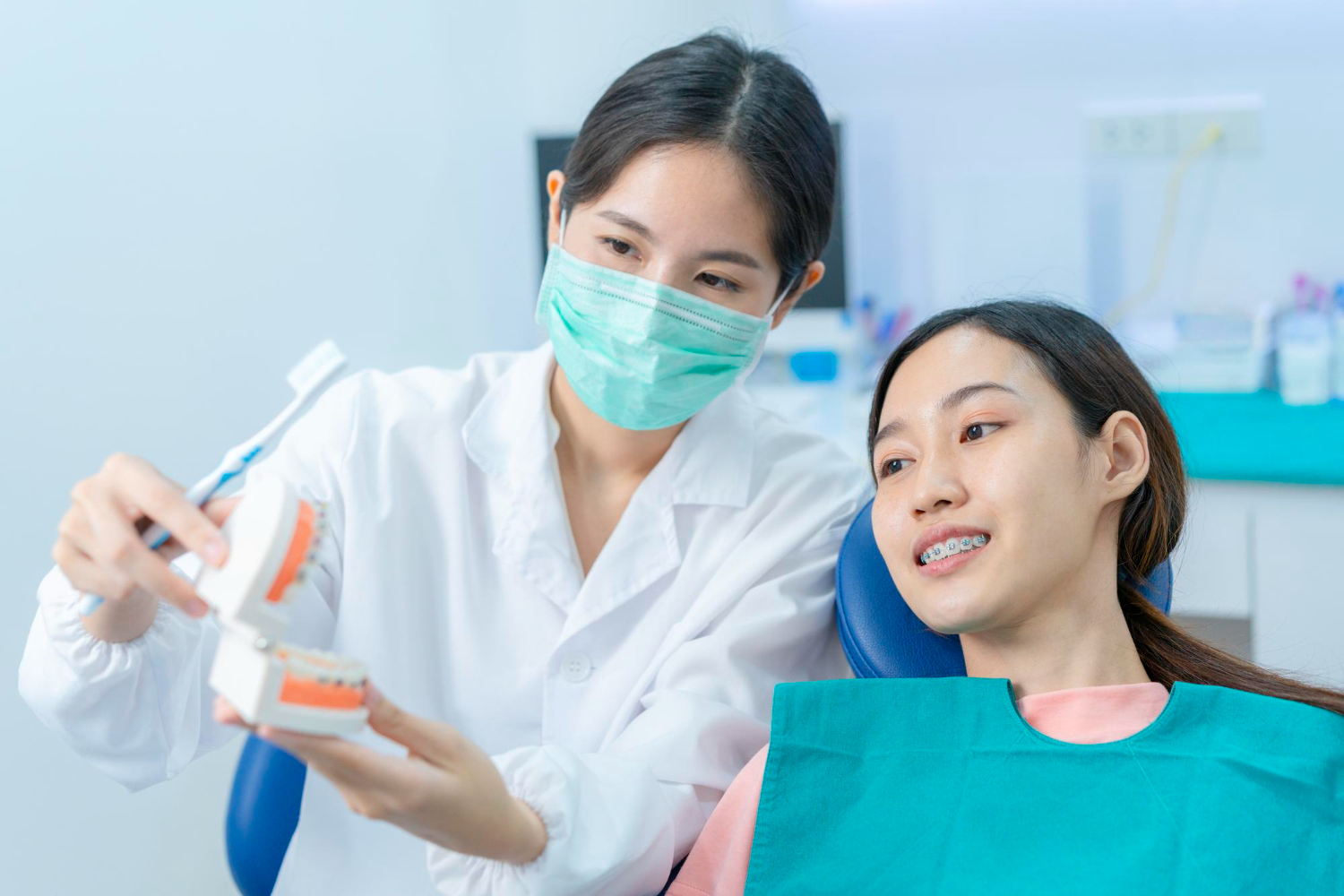
Braces Treatment Process Guide: 7 Key Steps, Treatment Time & Who It’s Suitable For
Most people are familiar with braces. As one of the key methods of orthodontic treatment, braces are commonly used to correct tooth alignment and bite problems. However, many people are still unsure what the braces treatment process involves. What are the main stages of braces treatment? How long does treatment take? What is the best age to start? What are the benefits of braces? Who is suitable for orthodontic treatment? What types of braces are available? And what should patients pay attention to after treatment?
Aegis Dental explains these common questions step by step to help you better understand the braces treatment process and move towards a more confident smile.
Braces Treatment Process 1: Initial Consultation and Full Oral Examination
Before starting braces, the first step is to understand the patient’s current oral condition. The orthodontist will usually arrange a full-mouth X-ray and assess tooth alignment and bite position to determine whether the patient is suitable to proceed to the next stage of orthodontic treatment.
Braces Treatment Process 2: Personalized Treatment Planning
Every patient’s examination results are different. Based on the findings from the first stage, the orthodontist will also consider the patient’s lifestyle, treatment expectations and budget before developing a personalized braces treatment plan. During the consultation, the orthodontist will explain the expected tooth movement, whether tooth extraction may be needed, and the advantages and limitations of different orthodontic options, allowing the patient to make an informed decision.
Braces Treatment Process 3: Pre-Treatment Dental Care
Before braces are fitted, the orthodontist will first treat any existing oral health problems to ensure the teeth and gums are healthy before starting treatment. This may include professional cleaning, treating tooth decay and gum disease, and removing unnecessary or impacted teeth, such as wisdom teeth, where required. Braces treatment will begin once the mouth is stable and ready for orthodontic treatment.
Braces Treatment Process 4: Impressions and Dental Records
The orthodontist will record the patient’s dental condition before treatment. Traditionally, dental impressions are taken using impression material placed in the mouth. In recent years, many orthodontists use intraoral scanners to create highly accurate 3D digital scans. This can improve diagnostic accuracy while also reducing discomfort during the impression-taking process.
Braces Treatment Process 5: Fitting the Orthodontic Appliance
This stage is commonly known as “getting braces on” and is one of the most important steps in the entire braces treatment process. For traditional metal braces, the orthodontist will clean and dry the tooth surfaces before bonding brackets onto the teeth. Orthodontic wires are then inserted and secured. For clear aligners, attachments may be bonded to selected teeth to help guide tooth movement more effectively.
Braces Treatment Process 6: Regular Follow-Ups and Adjustments
After braces are fitted, regular follow-up appointments are required to monitor progress. For traditional braces, patients usually return every 4–6 weeks so that the orthodontist can adjust the wires and replace elastics when necessary. For clear aligners, follow-up appointments are generally arranged every 6–10 weeks to check tooth movement and progress to the next stage of aligners. Overall braces treatment time commonly ranges from around 1.5 to 3 years.
Braces Treatment Process 7: Removing Braces and Wearing a Retainer
Once the teeth have moved into their planned positions, the orthodontist will remove the orthodontic appliance and polish the tooth surfaces. To prevent the teeth from shifting back, patients must wear a retainer after treatment. For the first 6–12 months, retainers may need to be worn full-time. Once the tooth positions become more stable, patients may be advised to wear the retainer at night to maintain the orthodontic result long term.
How Long Does Braces Treatment Take?
In general, braces treatment takes around 1 to 3 years. For patients considering orthodontic treatment, treatment duration is often one of the main concerns. Based on the seven stages above, the following table provides a general reference:
| Braces Treatment Stage | Estimated Time |
| Initial consultation and full oral examination | Around 1–2 hours |
| Personalized treatment planning | Several days to several weeks |
| Pre-treatment dental care | Depends on the condition; may not be required in ideal cases |
| Impressions and dental records | Around 30 minutes to 1 hour |
| Fitting the orthodontic appliance | Around 1–2 hours |
| Regular follow-up and adjustment period | Traditional braces: around 1.5–3 years Clear aligners: around 1–2 years, with mild cases sometimes completed within 6 months |
Is There a “Golden Age” for Braces?
If the gums and supporting tissues are healthy, there is generally no strict age limit for orthodontic treatment. However, there is often considered to be an ideal period for early orthodontic intervention, commonly around 7–12 years old.
At this stage, a child’s jaw is still developing, the bone is generally more adaptable, and tooth movement may be more responsive.
Early treatment can help address growth-related problems such as tooth tilting, protruding front teeth or abnormal bite patterns. In some cases, this may help reduce the complexity of treatment later.
What Are the Benefits of Braces?
-
Improve Bite and Chewing Function
Misaligned teeth or an abnormal bite can prevent the upper and lower teeth from meeting properly, leading to problems such as protruding teeth or an underbite. Braces can move teeth into more suitable positions, helping restore a more balanced bite and improve chewing efficiency. This may also reduce excessive stress on the digestive system and may help improve jaw joint discomfort caused by bite-related strain.
-
Help Prevent Tooth Decay and Gum Disease
Crowded or poorly aligned teeth often create hard-to-clean areas where food debris and plaque can collect. If these areas are not cleaned properly over time, the risk of tooth decay, gum inflammation and periodontal disease may increase. Once tooth alignment improves after orthodontic treatment, brushing and flossing generally become easier, helping reduce the risk of future dental problems.
-
Help Protect Teeth from Uneven Wear
When the bite is misaligned, some teeth may bear excessive pressure as they compensate for the imbalance. Over time, this can lead to enamel wear, tooth sensitivity and even cracks.
Braces can help restore proper tooth alignment and distribute bite forces more evenly, reducing abnormal wear and helping protect the teeth over the long term.
-
Improve Tooth Alignment and Appearance
Improving appearance is one of the main reasons many people choose braces. By adjusting tooth position and dental arch alignment, orthodontic treatment may improve the appearance of the smile and, in some cases, facial balance, especially where protruding teeth are involved. Straighter teeth may also help patients feel more confident when smiling and socialising.
-
Improve Speech
Some speech sounds depend on proper coordination between the teeth, tongue and lips. Severe tooth loss or significant misalignment may contribute to air leakage or unclear pronunciation. Orthodontic treatment may help improve speech in suitable cases.
Who Is Suitable for Braces?
-
People with Tooth Alignment Problems
Common alignment problems include:
Crowded teeth: There is not enough space for the teeth, causing them to overlap and making cleaning more difficult.
Spacing: Visible gaps between teeth may affect appearance and may also contribute to speech problems or food trapping.
Misplaced or rotated teeth: Individual teeth may erupt in the wrong position, such as a high canine, or may be rotated out of alignment.
-
People with Bite Problems
Overjet / protruding front teeth: The upper front teeth extend significantly beyond the lower teeth, increasing the risk of trauma and affecting facial appearance.
Underbite: The lower teeth sit in front of the upper teeth, which may affect chewing and jaw function.
Open bite: The upper and lower teeth do not meet properly, making it difficult to bite food using the front teeth.
Bite interference: Certain teeth contact too early when biting, which may cause abnormal tooth wear or jaw joint discomfort.
-
People with Specific Aesthetic or Functional Needs
With the increasing popularity of clear aligners, more people now consider orthodontic treatment for aesthetic reasons. This includes patients who want to improve protruding teeth, underbite problems or overall side-profile appearance.
-
Patients Preparing for Major Dental Restoration
If missing teeth have caused neighbouring teeth to tilt, or if the patient is preparing for a dental implant or bridge, braces may be needed first to reposition the tilted teeth and create enough space for the restoration.
Who May Not Be Suitable for Braces?
If you have any of the following conditions, orthodontic treatment should be considered carefully. If you are unsure, consult a professional orthodontist for an individual assessment.
Uncontrolled Severe Periodontal Disease: If the supporting jawbone has already suffered significant loss, the teeth may not have a stable foundation. Starting orthodontic treatment before controlling the periodontal condition may increase the risk of tooth mobility. These patients should first receive periodontal treatment and only proceed with braces after the condition is stable.
Severe Temporomandibular Joint Problems: If the jaw joint has severe degeneration or persistent pain, the joint problem should be assessed and managed first, potentially with specialist input.
Pregnancy: Orthodontic treatment may still be possible during pregnancy, but hormonal changes can increase the risk of gum inflammation and X-ray use may be limited. For this reason, some patients may prefer to begin treatment after pregnancy.
Persistent Harmful Oral Habits: If habits such as strong tongue thrusting or thumb sucking are not controlled, the teeth may move back even after orthodontic correction. These habits should therefore be addressed as part of treatment planning.
4 Common Types of Braces
Traditional Metal Braces
Traditional metal braces use metal brackets bonded to the outer surface of the teeth, together with wires and elastics. They provide strong orthodontic force and are suitable for more complex cases. Because this method has been used for many years, the technique is well established and is generally more affordable. However, the braces are highly visible and some patients may experience a stronger foreign-body sensation.
Ceramic Braces
Ceramic braces work in a similar way to traditional metal braces, but the metal brackets are replaced with clear or tooth-colored ceramic brackets. This provides a more discreet appearance. However, ceramic braces are generally more expensive, more fragile and may require greater care during cleaning to reduce staining.
Lingual Braces
Lingual braces place the brackets and wires on the inner side of the teeth, making them almost invisible from the front. However, they are usually the most expensive of the four main options and may cause a stronger foreign-body sensation. Some patients may also experience temporary speech changes or a “lisp” while adapting.
Clear Aligners
Clear aligners are one of the most popular orthodontic options in recent years. They are made from transparent medical-grade plastic and gradually move the teeth using a series of removable aligners. They are discreet and can be removed for eating and cleaning, making daily life more convenient. However, they are generally more expensive and require good patient compliance. Patients usually need to wear them for at least 20 hours per day. For more complex cases, clear aligners may not always be suitable.
What Should You Pay Attention to After Getting Braces?
After getting braces, there are two main stages to pay attention to: the active treatment phase, while wearing braces, and the retention phase, after the braces are removed.
Active Treatment Phase
This is the period when the orthodontic appliance is worn and often when patients feel the strongest foreign-body sensation. Dietary habits usually need to be adjusted to reduce the risk of broken brackets or damaged appliances. Patients should avoid very hard foods, sticky foods and staining drinks or foods such as coffee, curry and tea, especially when elastics or ceramic brackets are used. Good oral hygiene is also essential. Teeth should be cleaned carefully after meals, as poor cleaning during orthodontic treatment may increase the risk of tooth decay and enamel demineralisation.
Retention Phase
Retention is usually needed long term. The most important period is the first 6–12 months, when patients may need to wear the retainer full-time. Later, this may be reduced to night-time wear for several years or, in some cases, permanently. Retainers should be cleaned gently and should not be exposed to hot water, as heat may cause distortion. When not being worn, retainers should be stored in a dedicated case to prevent loss or damage.
Braces FAQs
-
Are Braces Painful?
Mild soreness or pressure is common during the first few days after braces are fitted or adjusted. This is a normal response and usually improves within around one week. Soft or liquid foods may be more comfortable during this period.
-
How Long Does the Entire Braces Treatment Process Take?
Braces treatment usually takes around 1 to 3 years, depending on case complexity. Long-term retainer wear is also required after active treatment, so the total commitment is longer than the time spent wearing braces alone.
-
Can Braces Change My Face Shape?
Braces may improve facial appearance where problems such as protruding teeth or an underbite are related to tooth and dental arch position. However, results vary from person to person, so treatment expectations should be discussed in detail with the dentist or orthodontist.
-
How Much Do Braces Cost?
The cost can range from tens of thousands to over one hundred thousand Hong Kong dollars, depending on the type of braces, case complexity and the experience of the treating dentist. Patients should ask clearly about the total treatment fee during consultation to avoid unexpected charges.
-
Can Teeth Shift Back After Orthodontic Treatment?
Yes, teeth can move back after braces. For this reason, patients must continue wearing a retainer after active orthodontic treatment. Full-time wear is usually recommended during the first year, followed by night-time wear as advised. This is one of the most important ways to reduce the risk of relapse.
Looking for a Reliable Orthodontist? The orthodontic team at Aegis Dental has experience in different types of braces and orthodontic treatment. We explain each stage of the braces treatment process clearly, so patients can understand their treatment progress and make informed decisions throughout their orthodontic journey.
Contact our dental team today to learn more about braces and orthodontic treatment and take the next step towards a more confident smile.
Disclaimer: This information is for reference only and does not constitute medical advice. Individual oral conditions vary; professional dental assessment is recommended.
Search Articles
Article Categories

Ongoing Care, Lasting Smiles
For enquiries or dental appointments, please contact us through the channels below. We’ll be happy to assist you.