
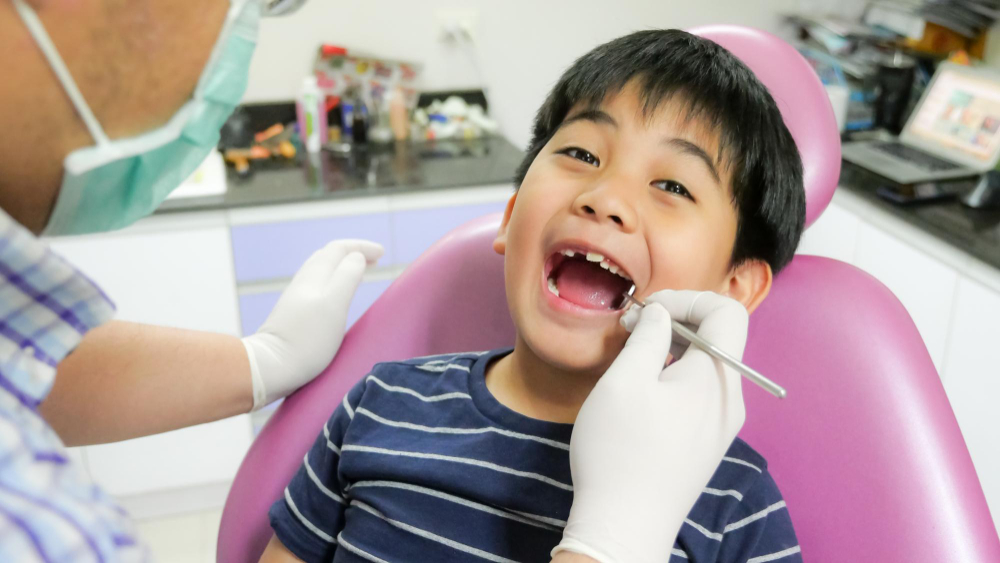
Children Losing Baby Teeth: What to Know + Tooth Replacement Timeline
Losing baby teeth is a natural stage of growing up, and many parents pay close attention to the process of their child’s baby teeth being replaced by permanent teeth.
What is considered normal when children start losing baby teeth? Are there any special situations parents should watch for? If a baby tooth becomes loose, should it be removed or left to fall out naturally? What does the usual tooth replacement timeline look like?
Aegis Dental answers common questions about children losing baby teeth and helps parents guide their children through this important developmental milestone with greater confidence.
What Happens When Children Lose Baby Teeth?
Everyone develops two sets of teeth during their lifetime: baby teeth, which appear during early childhood, and permanent teeth, which gradually replace them as a child grows.
Baby teeth generally erupt between around six months and two and a half years of age. Children usually develop a total of 20 baby teeth across the upper and lower jaws, including incisors, canines, first molars and second molars.
From around the age of six, the process of replacing baby teeth with permanent teeth begins. Between roughly ages 5 and 13, the 20 baby teeth are gradually replaced as the permanent dentition develops, eventually reaching 28 permanent teeth. Some people may later develop an additional four wisdom teeth.
During this process, the roots of the baby teeth are gradually resorbed by the developing permanent teeth. This causes the baby teeth to become increasingly loose before eventually falling out. Permanent teeth then erupt into the spaces left behind, completing the process commonly known as changing or replacing teeth.
Children’s Tooth Replacement Timeline
In general, children usually start losing baby teeth from the lower front teeth, with tooth replacement gradually progressing towards the back of the mouth. The sequence is commonly symmetrical on both sides, and children often begin replacing the premolar and canine areas at around age 10. Most permanent teeth appear during the primary school years. Below is a general tooth replacement timeline for children:
| Approx. age | Typical Tooth Changes |
| 6–8 years |
|
| 6–9 years |
|
| 8–12 years |
|
| 10–14 years |
|
| 17–25 years |
|
What Are Six-Year Molars?
The six-year molars are usually the first permanent teeth to erupt during the tooth-changing stage. They are the first permanent molars. Because they erupt at the back of the mouth and do not replace an existing baby tooth, many parents may mistakenly think they are still baby teeth. As soon as the six-year molars appear, children should be encouraged to clean them thoroughly using the correct brushing technique, as their deeper position can make them easier to miss during daily brushing.
Should Loose Baby Teeth Be Pulled Out?
When a baby tooth becomes loose during the tooth replacement stage, it is usually because the root of the baby tooth is being gradually resorbed by the developing permanent tooth underneath. In most cases, it is best to let the baby tooth fall out naturally, as removing it too early may cause pain or bleeding. Unless necessary, parents should avoid pulling out a loose baby tooth themselves.
However, if there are unusual problems during the tooth replacement stage, a dentist should assess and manage the situation. These may include double rows of teeth, baby teeth remaining loose for too long, severe decay, or broken baby teeth.
What Are Double Rows of Teeth?
“Double rows of teeth” refers to a situation where a permanent tooth has already erupted while the baby tooth has not yet become loose or fallen out. Although this can worry parents, it is not uncommon. When double rows of teeth appear, children should maintain good oral hygiene by brushing carefully and rinsing regularly to keep both the baby and permanent teeth clean and reduce the risk of tooth decay. In many cases, normal chewing and gentle movement will gradually loosen the baby tooth, allowing it to fall out naturally. However, if the baby tooth remains firm for a long time or the child experiences pain, parents should seek professional dental advice and treatment as soon as possible.
What Other Special Situations Can Occur When Baby Teeth Are Replaced?
Crowded Baby Teeth and Limited Space for Permanent Teeth
If a child already has very closely spaced baby teeth before the tooth replacement stage begins, there may not be enough room for the permanent teeth to erupt into their ideal positions. Parents should consult a dentist to determine whether intervention, including extraction in selected cases, may be required to create more space. This may help reduce the risk of future tooth misalignment and aesthetic concerns.
Tooth Decay in Baby Teeth
If tooth decay develops while the child is replacing baby teeth, especially if it is severe or associated with inflammation, pain or sensitivity, dental treatment should be sought promptly. Untreated decay may affect oral health during the development of the permanent teeth.
Oral Habits During the Tooth Replacement Stage
Some children develop habits such as pushing their teeth with their tongue or continuing sucking habits. These behaviours may affect the position of newly erupting teeth and contribute to misalignment. Parents should pay attention to these habits and help correct them where appropriate.
Is It Normal for Permanent Teeth to Look More Yellow?
When baby teeth are replaced by permanent teeth, parents may notice that the permanent teeth appear slightly more yellow. This is often normal because permanent teeth have thicker enamel and more visible underlying dentine, which naturally has a yellowish tone. Parents generally do not need to be overly concerned and should continue with regular, effective oral hygiene.
What to Know During Your Child’s Tooth Replacement Stage
Tooth decay prevention remains particularly important during the tooth replacement stage. Children may need to adjust the oral hygiene habits they developed when caring only for baby teeth, as newly erupting permanent teeth may be positioned differently and are sometimes easier to miss during brushing. Parents can pay attention to the following points to help children move smoothly from baby teeth to permanent teeth.
Use a Soft-Bristled Child-Sized Toothbrush and Dental Floss
During the tooth replacement stage, newly erupting teeth can create harder-to-clean areas. A smaller toothbrush head can help children reach these areas more effectively and understand which parts of the mouth require careful cleaning. Some children may notice mild gum bleeding during brushing and become worried. Parents can reassure them and encourage gentle brushing while maintaining good oral hygiene. Dental floss can also be used after meals to help remove food debris between the teeth.
Attend Regular Dental Check-Ups
Regular dental check-ups are a good habit during the tooth replacement stage. Dentists can monitor the child’s tooth development, identify unusual eruption patterns and provide guidance on how to maintain effective oral hygiene during this period. Some dentists may also provide professional cleaning and fluoride treatment during routine visits to help strengthen the teeth.
When Should a Child See a Dentist During the Tooth Replacement Stage?
Abnormal Bite or Tooth Alignment
If a child develops an unusual bite or noticeably crowded or misaligned teeth after permanent teeth begin to erupt, it is advisable to seek dental advice early. Early assessment may help guide jaw and dental development. Once permanent teeth become established in less favourable positions, orthodontic correction may require more time later.
Persistent Double Rows of Teeth
If a permanent tooth has already erupted but the baby tooth remains firm with no signs of loosening, parents should consult a dentist. Depending on the situation, extraction or another treatment approach may be considered.
Tooth Pain During the Tooth Replacement Stage
Pain during tooth replacement may be caused by tooth decay in the baby tooth or by trauma to the teeth. Whatever the cause, persistent tooth pain should be assessed by a dentist as soon as possible.
Tooth Replacement Starts Too Early, Too Late or Takes Too Long
If a child starts losing baby teeth before age 5, has not begun losing teeth by age 8, or a permanent tooth has still not erupted more than 6 months after a baby tooth falls out, parents should arrange a dental visit for a more comprehensive examination using appropriate dental diagnostic tools.
Make the Most of Your Child’s Tooth Replacement Stage with Regular Dental Check-Ups
Aegis always places patient comfort first.
We understand that parents may have concerns about their child losing baby teeth and developing permanent teeth. Our dental team provides comprehensive assessments and treatment options during the tooth replacement stage, helping both parents and children move through this important growth milestone with greater confidence and comfort.
Contact us today to learn more about our children’s dental services.
Disclaimer: This information is for reference only and does not constitute medical advice. Individual oral conditions vary; professional dental assessment is recommended.
Search Articles
Article Categories


Ongoing Care, Lasting Smiles
For enquiries or dental appointments, please contact us through the channels below. We’ll be happy to assist you.